
Authors:
Felicitas Colombo
Dr. Enrique Chacon-Cruz
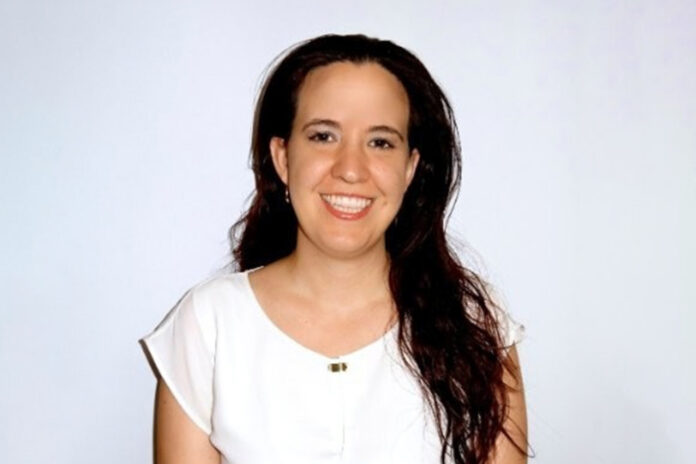
Dr. Montserrat Arroyo is the Deputy Director General for Standards Setting and Implementation of the World Organisation for Animal Health (WOAH). She holds a degree in Veterinary Medicine and Animal Sciences from the National Autonomous University of Mexico (UNAM) and a master’s degree in Preventive Veterinary Medicine from the University of California, Davis.
Dr. Arroyo began her career within the Mexican Veterinary Services, where she focused on the prevention and control of foreign animal diseases, zoonotic disease prevention, trade-related animal health issues, and the production of diagnostics and vaccines. Between 2004 and 2013, she held several leadership positions in Mexico related to animal disease prevention and control, laboratory management, and import-export regulation, including serving as Director General of the National Veterinary Biologics Laboratory (PRONABIVE).
In 2015, she joined WOAH as Subregional Representative for Central America and the Caribbean. She later moved to WOAH Headquarters in Paris in 2018, where she first served as Head of the World Animal Health Information Department and subsequently as Head of the Regional Activities Department, overseeing the coordination of WOAH’s 13 regional offices worldwide.
Throughout her career, Dr. Arroyo has developed extensive expertise in international animal health policy, veterinary services, disease prevention, laboratory systems, and global health standards, with a strong focus on strengthening One Health collaboration and global animal health governance.
Career and inspiration
Dr. Arroyo’s connection to veterinary medicine began at home. Her father was a veterinarian, and from an early age she was exposed to the many dimensions of the profession. What fascinated her most was not only the clinical side of caring for animals, but also the broader impact veterinarians could have on public policy and society.
“He showed me the beauty of clinical practice, but also the impact that as veterinarians we can have in policy,” she recalled.
Although her mother had hoped she would become a physician, Dr. Arroyo chose veterinary medicine because it combined her love of science, nature, and public service. During her studies, she found herself equally drawn to immunology, pathology, epidemiology, and clinical medicine, making it difficult to choose a single professional direction. After graduating, she joined Mexico’s Ministry of Agriculture, initially working in exports while preparing for postgraduate studies.
That experience exposed her to the realities of international animal trade, disease prevention, and food safety. She soon transitioned into foreign animal disease prevention, where she witnessed firsthand the devastating effects outbreaks can have on countries unprepared for emerging diseases. During avian influenza outbreaks in Mexico, she saw how animal disease could disrupt economies, threaten food systems, and create enormous pressure on veterinary services.
One lesson from those years has remained with her throughout her career: prevention is difficult to defend politically because its success is often invisible.
“It’s very difficult to sell prevention,” she explained. “When nothing happens, people sometimes don’t realize the value of what prevented it.”
Her growing involvement with international animal health standards eventually led her to WOAH. Today, she oversees work related to international standards and implementation, helping countries establish common frameworks for disease reporting, trade, diagnostics, and vaccine quality.
The underestimated power of animal vaccination
Animal vaccination is often viewed through the narrow lens of livestock productivity and disease control. But for Dr. Arroyo, its implications extend far beyond the farm. She argues that animal vaccination is one of the world’s most underappreciated public health tools, capable not only of protecting livestock, but also of reducing antimicrobial resistance, strengthening food security, and helping prevent future pandemics.
For Dr. Arroyo, the greatest misunderstanding surrounding animal vaccination is that its benefits are too often evaluated only at the farm level. She believes vaccination creates resilience across entire health and economic systems.
“Vaccination is not only a control tool,” she said. “If you invest in vaccines, you are investing in sustainability, resilience, and the economic viability of the livestock system worldwide.”
Healthy livestock populations allow farmers, especially smallholders, to invest more confidently in nutrition, husbandry, and genetics without the constant fear of devastating outbreaks. More stable animal health systems also help improve productivity, strengthen food security, and reinforce confidence in trade and agricultural markets.
At the same time, healthier animal populations reduce pathogen circulation, decrease the need for antimicrobials, and limit the emergence of antimicrobial resistance (AMR). Vaccination programs also strengthen veterinary surveillance systems and contribute to broader sustainability and climate resilience efforts.
The implications for human health are profound. Because most emerging infectious diseases originate in animals, reducing disease burden in livestock directly lowers the risk of zoonotic spillover into human populations. For Dr. Arroyo, this broader public health value remains one of the most overlooked aspects of animal vaccination.
Rabies: the clearest example of One Health in action
Dr. Arroyo pointed to rabies as one of the clearest examples of how animal vaccination can save human lives. Vaccinating dogs against rabies has eliminated human deaths in several regions of the world, yet many countries still rely primarily on post-exposure treatment after a bite occurs.
“In 2026, it is still incredible that children continue dying from rabies when we have a preventive tool that works and is inexpensive,” she said.
For Dr. Arroyo, rabies vaccination demonstrates how relatively modest investments in animal health can generate enormous public health gains. By preventing disease transmission at its source, countries can protect vulnerable populations and avoid the human and economic costs associated with preventable infections.
She also highlighted several other successful examples of how animal vaccination contributes to both public health and sustainability. Vaccination against brucellosis has helped reduce transmission to farmers and consumers exposed through dairy products, while Japanese Encephalitis control programs combining animal vaccination with mosquito control have lowered human disease incidence in affected regions.
Dr. Arroyo also pointed to East Coast Fever vaccination programs, which have improved livestock productivity while reducing climate-related emissions. In Norway, widespread vaccination in salmon farming significantly reduced antibiotic use, while poultry vaccination programs in the United Kingdom lowered both medication costs and antimicrobial consumption.
Among the most important achievements in veterinary medicine, she emphasized the global eradication of rinderpest in 2011, made possible through coordinated international vaccination efforts.
“Perhaps the greatest historical success was the global eradication of rinderpest, only the second disease ever eradicated worldwide after smallpox,” she noted.
Pandemic preparedness
Despite these successes, Dr. Arroyo believes the world still fails to fully integrate animal health into discussions about pandemic preparedness. Her experience working during avian influenza outbreaks gave her a deep appreciation for the economic and social consequences of animal disease, as well as the difficulty of convincing policymakers to invest in prevention before a crisis emerges.
“Pandemic prevention cannot start in hospitals,” she said. “Once it reaches hospitals, prevention has already failed.”
Instead, she argues that prevention must begin on farms, in markets, and throughout the animal value chain. By identifying zoonotic hotspots and strategically investing in animal vaccination programs, countries could dramatically reduce the probability of future pandemics.
Although collaboration between organizations such as WOAH and CEPI is increasing under the One Health framework, Dr. Arroyo acknowledged that veterinary perspectives remain underrepresented in many global health discussions.
“When we talk about global health security, veterinarians are still not consistently at the table,” she noted.
One of the greatest challenges, she believes, is communication. Even among healthcare professionals, the relationship between animal health and human health is often poorly understood. She reflected on conversations with physicians and pediatricians who focused almost exclusively on childhood vaccination schedules while overlooking the role animal vaccination can play in protecting communities and preventing disease spillover.
Yet the connection between animal and human health is already part of everyday life. Millions of households around the world live in close contact with pets and livestock, often without recognizing how animal vaccination contributes to safer environments for humans.
“We rarely stop to think about how vaccinating those animals also protects human health,” she said.
As global leaders continue preparing for future pandemics, Dr. Arroyo’s message remains both simple and urgent: protecting human health starts long before patients arrive at hospitals. It begins with healthier animals, stronger veterinary systems, and a broader understanding in public health is fundamentally interconnected.
Coordinated action
Dr. Arroyo emphasized that meaningful progress would require coordinated action from governments, industry, and international organizations alike. Vaccine manufacturers, she said, must continue innovating with formulations adapted to different climates and farming realities, including products suitable for smallholder farmers. Governments, meanwhile, must begin treating vaccination as a strategic public good directly linked to food security, antimicrobial resistance reduction, and pandemic prevention.
Equally important is investment in veterinary infrastructure. Vaccines alone, she stressed, are insufficient without strong veterinary services capable of surveillance, diagnostics, cold chain management, and rapid outbreak response.
Dr. Arroyo believes the private sector has a critical role to play in improving access to animal vaccination globally. This includes investing in thermostable and multivalent vaccines, developing products adapted to the needs of smallholder farmers, improving affordability and supply predictability, and aligning innovation with broader public health priorities.
Governments, she argued, must also adopt a more systematic and preventive approach to animal vaccination. That means integrating vaccination into food security and antimicrobial resistance policies, investing in veterinary infrastructure and workforce capacity, and supporting sustainable financing mechanisms for vaccination programs.
International organizations likewise have an essential responsibility in strengthening global animal health systems. According to Dr. Arroyo, this includes continuing to develop standards and technical guidance, supporting country capacity-building efforts, promoting public-private partnerships, and strengthening One Health integration at the global level.
Ultimately, Dr. Arroyo believes the scientific rationale for investing in animal health is already overwhelming. The challenge now lies in generating the political commitment and economic evidence necessary to transform One Health from an aspirational concept into a functioning global strategy.
“Investing in animal health protects human health,” she said. “Now we need the world to fully recognize that reality.”